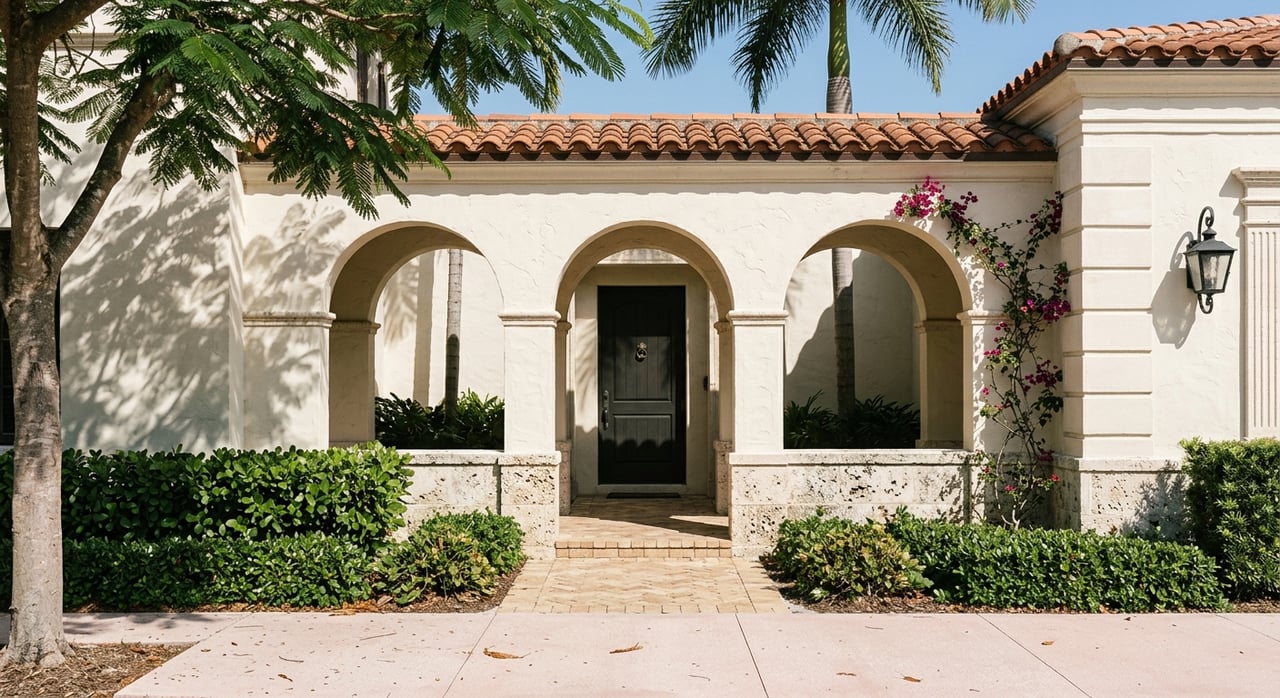
Wondering why Coral Gables feels so distinct from other Miami-Dade communities? It is not just the beautiful homes. It is the way architecture, trees, public spaces, and everyday amenities work together to create a place with a clear identity. If you are thinking about living, buying, or investing here, this guide will help you understand what shapes the Coral Gables experience and why it stands out. Let’s dive in.
What Makes Coral Gables Unique
Coral Gables was planned with a strong vision from the start. The city describes itself as shaped by both the City Beautiful and Garden City ideas, which helps explain its lush avenues, civic landmarks, and organized residential layout.
That planning legacy still shows up in daily life. The city says more than 1,000 properties are listed on the Coral Gables Register of Historic Places, which reflects how important preservation is to the area’s identity and appearance.
George Merrick and his team mapped Coral Gables by early 1921, and the city was incorporated in 1925. According to the city’s history, landscape architect Frank Button helped shape the winding drives, tree-lined boulevards, and grand entrances that continue to define the streetscape today.
Coral Gables Architecture at a Glance
If you picture Coral Gables, you are probably thinking of Mediterranean Revival design. That style plays a major role in the city’s visual identity, often expressed through coral rock, native oolitic limestone, arcaded loggias, plazas, and dramatic entrances.
What makes this especially appealing is the consistency. Coral Gables is not architecturally uniform by chance. The city has worked to preserve a cohesive historic core while also recognizing that different pockets and building styles are part of its broader story.
Mediterranean Revival Character
Mediterranean Revival architecture gives Coral Gables much of its classic look. You see it in textured stone, warm-toned materials, graceful arches, and details that feel connected to climate, landscape, and public space.
This style also ties the city’s buildings to its natural materials. The city notes that many early streets were built with coral rock from the Venetian Pool quarry, connecting the land itself to the built environment.
Landmark Buildings That Shape the City
Several well-known landmarks help tell the story of Coral Gables architecture and planning:
- Coral Gables City Hall was built in 1927 and 1928 in the Mediterranean Revival style using native oolitic limestone.
- Douglas Entrance, also known as La Puerta del Sol, was built from 1925 to 1927 as one of the city’s planned entrances and was designed to evoke Spanish hill-town gateways.
- The Biltmore Hotel, opened in 1926, is known for its 26-story tower modeled after the Giralda Bell Tower of Seville.
- The Venetian Pool began as a quarry that supplied limestone for early buildings and later became one of the city’s most distinctive public landmarks.
- Merrick House reflects an early vernacular coral-rock residence and helped establish material and form precedents in the city.
Together, these places do more than create postcard views. They reinforce a sense of continuity that many buyers find hard to replicate elsewhere.
Architectural Variety Beyond the Main Style
Even with its strong Mediterranean identity, Coral Gables is not one-note. The city highlights the MacFarlane Historic District as an important exception, noting that its homes are representative of wood-frame vernacular architecture.
The city also identifies MacFarlane as the only historic district in Coral Gables listed in the National Register of Historic Places. That detail adds an important layer to the local story and shows that preservation here includes different architectural expressions.
Why Preservation Matters to Buyers
Coral Gables uses a formal review structure to help maintain its character. The Board of Architects was created to keep architecture consistent with city regulations and preserve traditional aesthetics.
That review process is detailed. The city’s design standards address elements such as color, materials, fenestration, proportion, and overall order, and a tree survey and tree protection plan are required for certain development and demolition submissions.
For you as a buyer or owner, this can matter in practical ways. A city with active design and landscape oversight may feel more cohesive, orderly, and visually consistent over time. It is not a guarantee of future value, but it can support the kind of curb appeal and neighborhood character many people want.
How Development Review Shapes the Streetscape
Coral Gables has multiple layers of development review. Depending on the project, review can involve staff, the Board of Architects, the Planning and Zoning Board, City Commission hearings, and the Historic Preservation Board.
The city also has a Mediterranean architecture incentive program called the Med Bonus, intended to encourage Coral Gables Mediterranean Architecture. For design-minded buyers, that kind of framework helps explain why the city often feels curated rather than pieced together.
The Coral Gables Lifestyle
Architecture is only part of the appeal. Coral Gables lifestyle is closely tied to walkability, dining, parks, and cultural venues, especially in and around the downtown core.
The city describes downtown Coral Gables as walkable and highlights its exceptional quality of life. That combination of character homes, mature landscaping, and concentrated amenities is a big part of what draws both local and relocation buyers.
Miracle Mile and Giralda Plaza
Miracle Mile is one of the best-known lifestyle anchors in Coral Gables. The city describes it as a premier shopping and dining destination with more than 120 international restaurants.
Nearby, Giralda Plaza adds another layer to the downtown experience. The city says the plaza reopened as a pedestrian walkway lined with restaurants, bars, and coffee shops with indoor and outdoor seating.
Outdoor dining is not just incidental here. The city’s sidewalk café rules show that it is a formal part of the streetscape, especially along Miracle Mile and Giralda Plaza.
Parks, Open Space, and Recreation
If you value green space, Coral Gables offers a lot to work with. The city says it has more than 60 parks and open spaces.
Its Community Recreation Department manages the Venetian Pool, golf and tennis facilities, youth programming, and the city’s parks and playgrounds. The city’s open-space planning also emphasizes walkability, shade, and landscaped public space in downtown areas.
That focus helps explain why everyday life here often feels balanced. You can enjoy urban conveniences while still having access to greenery, recreation, and outdoor spaces that soften the pace.
Arts and Culture in Daily Life
Coral Gables also stands out for its cultural offerings. The Coral Gables Museum focuses on architecture, urban and environmental design, history, and preservation, which fits naturally with the city’s identity.
Actors’ Playhouse at Miracle Theater presents professional theater year-round. The Coral Gables Art Cinema, which opened in 2010 as a public-private partnership, adds another option for residents who enjoy independent and specialty film programming.
The Lowe Art Museum on the University of Miami campus holds more than 19,000 works. The city also notes that Gables Gallery Night has been part of city life for 38 years, which speaks to the area’s long-running support for the arts.
What Homebuyers Should Notice
If you are exploring Coral Gables as a place to live, pay attention to more than square footage or finishes. This is a market where streetscape, landscaping, architectural style, and public realm can shape your day-to-day experience as much as the home itself.
You may want to look closely at how a property fits into its surroundings. In Coral Gables, a home’s relationship to trees, setbacks, materials, and neighborhood character can be part of what makes it feel especially appealing.
For many buyers, the draw is the blend of beauty and structure. The result is a community that often feels established, intentional, and highly recognizable.
What Sellers Can Highlight
If you are selling a home in Coral Gables, the local story matters. Buyers are often responding not only to the property but also to the city’s strong identity, preserved streetscape, and lifestyle amenities.
That means your marketing can benefit from positioning the home within the broader Coral Gables experience. Features such as architectural details, mature landscaping, proximity to parks, and access to downtown dining and cultural venues can all help support a stronger presentation.
In a place like Coral Gables, context adds value to perception. When buyers understand what makes the city different, they are often better able to appreciate what makes your property special within it.
If you want guidance on buying or selling in Coral Gables, working with a local advisor can make a real difference. Pam Mayers brings deep neighborhood knowledge, a high-touch approach, and the kind of market perspective that helps you move forward with confidence.
FAQs
What architectural style is most common in Coral Gables?
- Mediterranean Revival is the signature style most associated with Coral Gables, with features like native oolitic limestone, coral rock, arcaded loggias, plazas, and grand entrances.
What makes Coral Gables different from other Miami-Dade communities?
- Coral Gables stands out for its planned design, tree-lined boulevards, preserved historic character, walkable downtown, and strong mix of dining, recreation, and cultural amenities.
What are the main lifestyle hubs in Coral Gables?
- Miracle Mile and Giralda Plaza are two of the city’s central lifestyle areas, known for shopping, dining, coffee shops, bars, and outdoor seating.
How many parks and open spaces does Coral Gables have?
- The city says Coral Gables offers more than 60 parks and open spaces, along with recreation facilities such as the Venetian Pool, golf, and tennis.
Why is preservation important in Coral Gables real estate?
- Preservation and design review help maintain the city’s visual character, architectural consistency, and landscaped streetscape, which can contribute to a more cohesive feel.
What cultural attractions are part of Coral Gables life?
- Coral Gables offers venues such as the Coral Gables Museum, Actors’ Playhouse at Miracle Theater, Coral Gables Art Cinema, the Lowe Art Museum, and the long-running Gables Gallery Night.
