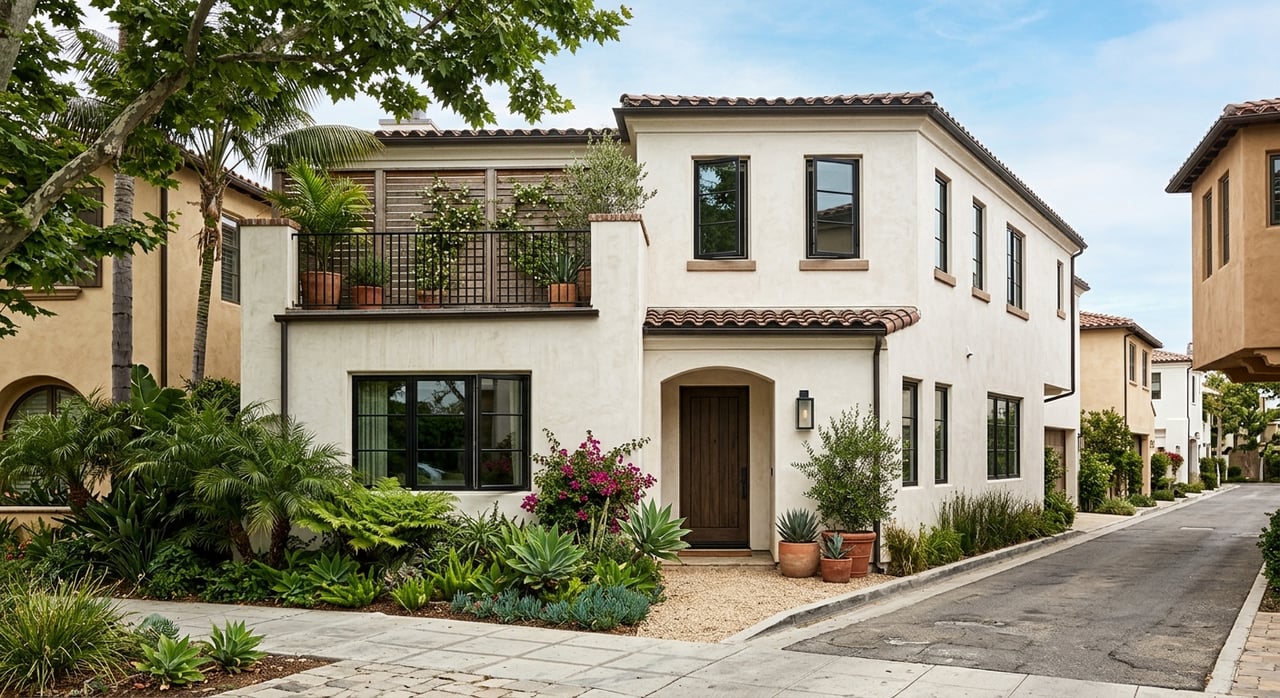
Thinking about trading yard work, extra rooms, and long drives for a simpler day-to-day life? If you are downsizing in South Dade, South Miami offers a rare mix of convenience, walkability, and housing options in a location that still feels connected to the wider Miami area. With the right plan, you can turn a big lifestyle shift into a smart move that supports your budget, routine, and long-term goals. Let’s dive in.
Why South Miami appeals to downsizers
South Miami stands out because it gives you an easier way to live without giving up access. The city describes its Hometown District as a charming, walkable environment, with Sunset Drive serving as a main street for outdoor dining and community events.
That walkable feel is supported by how the city is planned. South Miami’s Development Services Department says its land-use mission is to balance housing, employment, recreation, culture, and education in a safe, healthy, sustainable community. For many downsizers, that kind of mixed-use setting is exactly the point.
You are not just moving into a smaller home. You are often moving toward a lifestyle where daily errands, dining, transit, and local services are closer together and easier to reach.
Walkability and transit in South Miami
One of the biggest reasons people downsize is to reduce friction in everyday life. South Miami supports that goal with a lower-car lifestyle that includes 17 parks and facilities, a senior plaza, MetroConnect on-demand rides, and Metrorail service running from 5 a.m. to midnight every day.
The South Miami Metrorail station is near Shops at Sunset Place, the branch library, City Hall, South Miami Hospital, and the police department. The South Miami garage also allows overnight and long-term parking, which can add flexibility if you still want a vehicle but do not want to rely on it for every trip.
If you have spent years in a larger suburban home, this can be a meaningful shift. You may be able to replace some driving with walking, transit, or short rides, which can save both time and energy.
What the local housing mix looks like
South Miami is not a bargain market, but it can still offer a practical downsizing path. As of April 2026, Realtor.com showed 79 active listings, a median listing price of $1,194,500, a median sold price of $803,500, and median rent of $3,255.
Market pace matters too. Realtor.com reported median days on market of 65, while Redfin’s March 2026 data showed a median sale price of $1.056 million and 104 median days on market. The clearest takeaway is that South Miami is a high-value market with slower turnover than a fast-moving entry-level market.
That can actually help downsizers. A less frantic pace may give you more room to compare options, study association documents, and line up the sale of your current home with your next move.
Smaller homes can change the math
For many homeowners, downsizing is really about reducing maintenance and unlocking equity. South Miami’s condo and townhome options show how that can work in real numbers.
Redfin currently shows 21 condos for sale at a median listing price of $400,000 and 4 townhouses at a median listing price of $905,000. Compared with the pricing of detached homes in the area, that spread shows how moving into a smaller property could lower your entry cost depending on the product type you choose.
A 2024 South Miami planning report adds useful context. It noted that median prices for single-family homes and condominiums rose from around $600,000 in 2019 to over $1 million in 2022 and 2023, which suggests many longtime owners may have significant equity to put toward a downsize.
Choosing between a condo and townhome
A condo and a townhome can both offer a lower-maintenance lifestyle, but they do not work the same way. Your best fit depends on how much space you want, how much exterior upkeep you want to avoid, and how comfortable you are with association rules and fees.
Here is a simple side-by-side view:
| Option | Potential advantage | Potential tradeoff |
|---|---|---|
| Condo | Lower median listing price and less day-to-day maintenance | HOA dues, reserve issues, and assessments can affect total cost |
| Townhome | More space and a feel closer to single-family living | Higher median listing price and association obligations may still apply |
If your goal is maximum simplicity, a condo may be the clearest reset. If you still want more room for guests, hobbies, or storage, a townhome may feel like a more comfortable step down from a larger house.
Florida condo due diligence matters more now
If you are considering a condo or townhome, monthly payment alone is not enough. In Florida, association health has become a central part of the decision.
The Florida Department of Business and Professional Regulation says residential condominium associations with buildings that are three or more habitable stories must complete a Structural Integrity Reserve Study every 10 years. Structural inspection reports and reserve studies are part of the association’s official records and must be available to potential purchasers.
The same DBPR guidance says that if reserve funding is short, associations may need special assessments or financing. Required reserve funding for covered items generally may not be waived, which means buyers need to understand not just current dues, but also reserve strength and any upcoming costs.
What to review before you buy
Before you commit to a condo or townhome, make sure you review:
- Current HOA or association dues
- Reserve study information, if applicable
- Any milestone inspection status, if applicable
- Pending or recent special assessments
- Rules that could affect pets, parking, renovations, or occupancy
- Your full monthly cost, not just your mortgage payment
This is one area where careful local guidance can protect your budget and your peace of mind.
Timing your sale and purchase
Downsizing often sounds simple on paper. In real life, timing can be the hardest part. You may need to sell a larger home, access your equity, and secure your next property without making the process feel rushed.
Consumer guidance cited in the research notes that homeowners normally try to sell first before buying another home. It also reminds buyers to budget for repairs, property taxes, insurance, homeowners association dues, closing costs, moving costs, furniture, and home improvements.
That is a helpful reminder because downsizing does not always mean cheaper across the board. It often means more intentional spending and fewer surprise costs.
Options if your dates do not line up
Sometimes your current home sells before your next place is ready. Other times, the right South Miami property becomes available before your sale is complete.
Depending on your situation, a temporary overlap strategy may help. The research notes that a HELOC is an open-end line of credit backed by home equity, and federal mortgage rules recognize a temporary bridge loan of 12 months or less for a consumer who plans to sell a current dwelling within 12 months.
Another practical option is renting between homes. As of April 2026, Realtor.com listed 148 rental properties in South Miami with a median rent of $3,255, which gives downsizers a real backup plan if they want to sell first and buy with less pressure.
Do not overlook homestead portability
For longtime Florida homeowners, property taxes can be a major part of the downsizing equation. Miami-Dade says the Save Our Homes assessment difference can be transferred to another homestead property up to $500,000.
That makes timing especially important. Miami-Dade notes that the homestead application is due by March 1, and the state homestead form says permanent Florida residency must be in place on January 1.
If you have owned your current South Dade home for years, this is one of the most important details to review early. It can have a real impact on your future tax picture and your comfort with making the move.
A smart downsizing plan for South Miami
The best downsizing moves start with a clear definition of what you want your next chapter to feel like. For some people, that means true lock-and-leave convenience. For others, it means keeping enough room for family visits while cutting down on maintenance and commuting.
A practical plan usually includes these steps:
- Define your lifestyle goals before you shop
- Estimate your sale proceeds and likely equity
- Compare condos, townhomes, and rental bridge options
- Review association costs and records carefully
- Map out your sale and purchase timing
- Check portability deadlines and homestead details early
South Miami can be a strong fit if your goal is to move from a large suburban footprint into a more connected, walkable setting. The key is making sure the numbers, timing, and property type all support the lifestyle you actually want.
If you are considering a move from a larger South Dade home into South Miami, working with an advisor who understands both sides of that transition can make the process much smoother. Pam Mayers can help you evaluate your options, plan your timing, and make your next move with confidence.
FAQs
What makes South Miami attractive for downsizing?
- South Miami offers a walkable district, access to Metrorail and MetroConnect, 17 parks and facilities, and a mixed-use environment that can support a lower-maintenance lifestyle.
What types of homes can downsizers find in South Miami?
- Downsizers are likely to see condos, townhomes, and detached homes, with current data showing condos at a lower median listing price than townhomes or many single-family properties.
What is the South Miami housing market like in 2026?
- The research shows South Miami is a high-value market with slower turnover, with median listing and sale prices well above many entry-level markets and median days on market ranging from 65 to 104 depending on the source.
What should buyers check before buying a South Miami condo?
- You should review HOA dues, reserve studies, inspection status where applicable, pending assessments, association rules, and the full monthly cost of ownership.
How can South Dade homeowners handle the timing of a South Miami downsize?
- Many owners try to sell first, but some use a HELOC, a short-term bridge loan, or a temporary rental if their sale and purchase dates do not align.
How does homestead portability work for a South Miami move?
- Miami-Dade says eligible homeowners may transfer up to $500,000 of Save Our Homes assessment difference to another homestead property, with key filing and residency deadlines that should be reviewed early.
