If you picture Miami as all speed, towers, and traffic, Coconut Grove may surprise you. This is a part of the city where tree canopy, bay breezes, and walkable pockets shape the pace of daily life. If you are wondering what it really feels like to live here, you will find that the Grove blends history, waterfront access, and a neighborhood rhythm that feels both relaxed and connected. Let’s dive in.
Coconut Grove feels layered, not uniform
One of the most helpful ways to understand Coconut Grove is to see it as a collection of smaller pockets rather than one single, uniform neighborhood. City planning materials break the area into North Grove, Center Grove, South Grove, and Village Center, and they note that the broader community includes several distinct unofficial neighborhoods as well.
That matters when you think about everyday living. Your routine can look a little different depending on whether you are closer to the retail core, tucked into quieter residential streets, or near the bayfront. In Coconut Grove, location within the neighborhood often shapes your day-to-day experience as much as the neighborhood name itself.
Leafy streets are part of the neighborhood’s identity
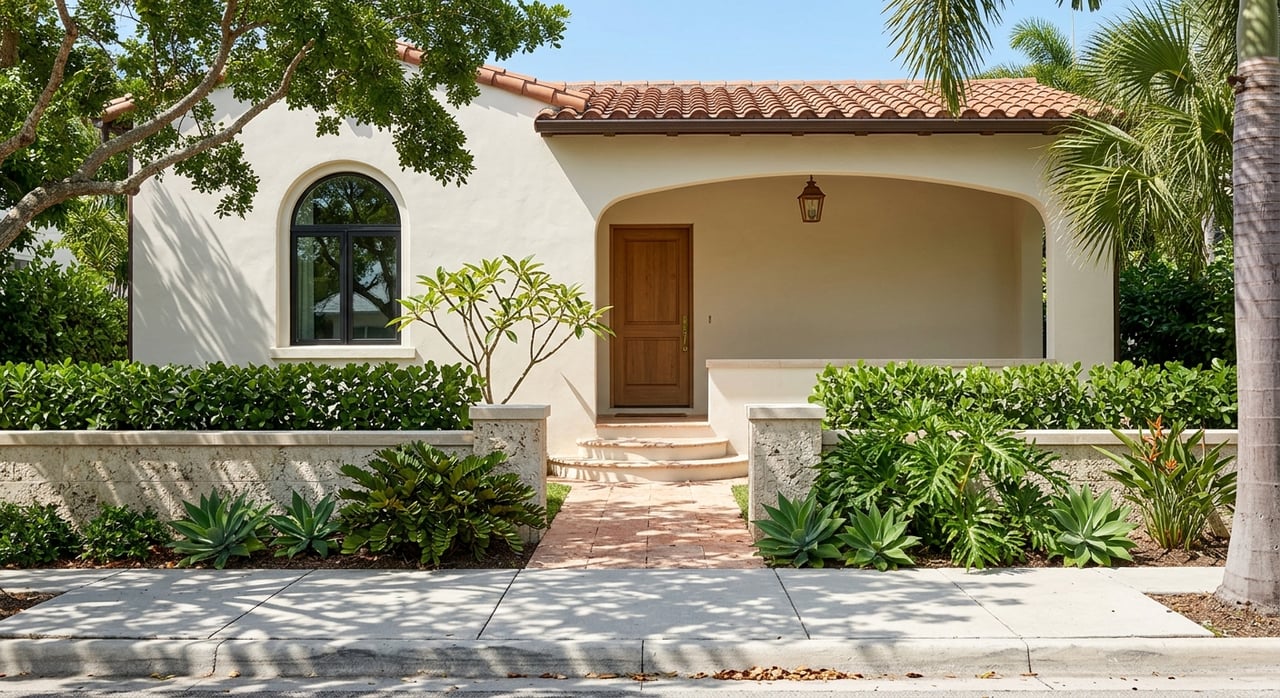
Coconut Grove’s green feel is not just a casual impression. The City of Miami’s NCD-3 overlay specifically describes much of the area as a place where the historic, heavily landscaped residential character, tree canopy, green space, bay views, public open space, recreational opportunities, commercial services, and architectural variety should be preserved.
In practical terms, that helps explain why the Grove often feels softer and more shaded than many other parts of Miami. Mature trees, landscaped streets, and a strong connection to open space are part of the neighborhood’s character. For many buyers, that sense of greenery is one of the biggest reasons Coconut Grove stands apart.
The core mixes walkability and activity
If you like being able to step out for coffee, dinner, or a movie without planning your whole evening around a drive, the Village Center stands out. The Coconut Grove BID describes CocoWalk as the neighborhood’s center and the heart of the action, with boutiques, eateries, bars, cafes, and a thirteen-screen movie theater.
This part of the Grove tends to anchor the neighborhood’s social energy. It gives you a clear commercial core while still feeling connected to the surrounding residential streets. That balance is part of what makes Coconut Grove appealing to people who want both convenience and character.
Major corridors support movement
The city identifies major corridors such as South Bayshore Drive, Tigertail Drive, SW 27th Avenue, Bird Avenue, Main Highway, Douglas Road, Grand Avenue, and Le Jeune Road. Planning guidance says new development along these corridors should support pedestrian activity.
For you, that translates into a neighborhood where walking is built into the experience in key areas. Even if you still drive for many errands, there are parts of Coconut Grove where a more on-foot lifestyle feels natural. That is a meaningful part of everyday life here.
Residential pockets offer different moods
North Grove is defined by the city as the bay-facing area bounded by U.S. 1, Rickenbacker Causeway, Biscayne Bay, and SW 27th Avenue. On the ground, that often reads as a quieter residential edge with a close relationship to the water.
South Grove has a different feel. The city places it around interior streets and bay-adjacent edges south of the core, which many people experience as one of the more tucked-away residential parts of the neighborhood.
Village West adds another layer. The city’s design guidelines connect it to black Bahamian settlement and encourage Caribbean vernacular and African-American heritage in new construction, giving this pocket a strong sense of historical identity within the larger Grove.
Waterfront life shapes daily routines
One of Coconut Grove’s biggest lifestyle advantages is how often the bay shows up in ordinary life. You are not limited to a single waterfront destination. Instead, the neighborhood has a connected shoreline experience that stretches across parks, marina space, and public open areas.
The city’s waterfront master plan describes the waterfront heart of Coconut Grove as extending from Peacock Park through Dinner Key to Kennedy Park, including the islands and anchorages. That gives the neighborhood a bayfront landscape that feels connected rather than isolated.
Peacock Park supports casual outdoor time
Peacock Park is a 9.4-acre waterfront urban park with bike racks, picnic tables, a playground, a recreation center, open lawn, and waterfront access. The city lists it as open daily from 7 a.m. to 10 p.m.
For everyday living, that kind of park becomes more than a weekend stop. It can be a morning walk, an after-work pause, or an easy place to spend time outdoors without leaving the neighborhood. In a place like Coconut Grove, those small routines often become a big part of why residents love where they live.
Kennedy Park adds activity by the bay
David T. Kennedy Park offers bicycle paths, a dog park, outdoor gym equipment, picnic tables, a playground, volleyball, parking, and waterfront access. The city lists its hours from sunrise to sunset.
That mix makes the park feel useful in many different ways. You might head there for exercise, a dog walk, or simply to spend time near the water. It is another example of how Coconut Grove blends residential living with accessible outdoor space.
Armbrister Park expands recreation options
Esther Mae Armbrister Park brings a more recreation-centered experience, with after-school programming, camps, sports fields, picnic tables, a playground, tennis courts, outdoor gym equipment, and a recreation center. It adds a different kind of daily value to the neighborhood.
Instead of one single lifestyle lane, Coconut Grove offers several. Some outdoor spaces are more scenic and waterfront-focused, while others are built around active recreation and community use. That variety helps the neighborhood work for a wide range of routines.
History is visible in everyday spaces
Coconut Grove’s charm is not only about trees and water. It is also about continuity. The neighborhood carries visible ties to Miami’s past, and those connections show up in places residents still use and enjoy today.
The Barnacle Historic State Park is a great example. Built in 1891, it is the oldest house in Miami-Dade County standing in its original location, and the park highlights large old trees, tree-lined paths, picnics, and outdoor concerts.
That combination of history and daily usefulness matters. The Barnacle is not just a landmark you visit once. It also functions as a neighborhood gathering place, with Florida State Parks highlighting Shakespeare in the Park and other outdoor events there.
Getting around is easier than many expect
Coconut Grove often feels relaxed, but it is not cut off. The neighborhood has transit options that can support daily movement within the area and connections beyond it.
The City of Miami’s Coconut Grove trolley runs Monday through Saturday from 6:30 a.m. to 11 p.m. It serves the Coconut Grove Metrorail Station, Douglas Road Metrorail Station, Bayside Park, Armbrister Park, Douglas Park, and Grove Central, and the city says the route provides access to parks, shopping areas, and City Hall.
That trolley service helps connect the neighborhood’s residential and commercial parts in a practical way. It also adds flexibility for people who want options for local trips, whether that means commuting, meeting friends, or reaching neighborhood amenities without moving the car every time.
Metrorail access strengthens connectivity
Miami-Dade reopened the Coconut Grove Metrorail Station in May 2025 after major renovations tied to Grove Central. The county described the station as an essential mobility hub and said the broader project is intended to improve connectivity and accessibility for the community.
For buyers thinking long term, that matters. Good neighborhood living is not just about what is on your block. It is also about how easily you can connect to the rest of Miami when you need to.
The social rhythm is steady, not forced
Some neighborhoods feel lively only during major events. Coconut Grove has bigger annual draws, but it also appears to have a more regular rhythm. The Coconut Grove BID calendar includes music, food and drink, performance, film, festival, fitness, classes and workshops, reading, outdoors, community, family, and hotel events.
That range suggests a neighborhood where something is often happening without every outing needing to feel like a major production. The Coconut Grove Arts Festival remains an annual anchor, but the calendar points to a broader pattern of recurring activity throughout the year.
This kind of social rhythm can make a neighborhood feel easier to live in. You have options when you want them, but the area still keeps its relaxed, established feel. For many people, that balance is exactly what makes Coconut Grove appealing.
Why Coconut Grove stands out
What makes Coconut Grove memorable is how many parts of daily life come together in one place. You have a historic setting, a strong tree canopy, a walkable village core, access to parks and waterfront space, and transit connections that support the neighborhood’s livability.
You also have variety within the neighborhood itself. The Grove is not one-note. It includes active commercial areas, quiet residential pockets, heritage-rich sections, and a bayfront landscape that shapes the whole experience.
If you are considering a move to Coconut Grove, it helps to look beyond the headline appeal and focus on the smaller details of how you want to live. The right street, pocket, and home can make all the difference. If you want help understanding how Coconut Grove’s different areas match your goals, Pam Mayers can help you navigate the neighborhood with local insight and personalized guidance.
FAQs
What is everyday life like in Coconut Grove?
- Everyday life in Coconut Grove often centers on tree-lined residential streets, access to waterfront parks, a walkable village core, and a steady mix of dining, recreation, and community events.
What are the main areas within Coconut Grove?
- City planning materials identify North Grove, Center Grove, South Grove, and Village Center, and the broader community is often understood as a collection of smaller pockets rather than one uniform district.
What makes Coconut Grove feel so green?
- The City of Miami’s neighborhood overlay for much of Coconut Grove specifically emphasizes preserving its historic, heavily landscaped residential character, tree canopy, green space, and public open space.
What parks support daily living in Coconut Grove?
- Peacock Park, David T. Kennedy Park, Esther Mae Armbrister Park, and The Barnacle Historic State Park all contribute to everyday outdoor life through waterfront access, recreation, open space, and community events.
How do you get around Coconut Grove without driving everywhere?
- The Coconut Grove trolley connects key neighborhood destinations Monday through Saturday, and the Coconut Grove Metrorail Station serves as an important mobility hub for broader access across Miami-Dade.
What is the social scene like in Coconut Grove?
- Coconut Grove has both major annual events and a regular calendar of music, food and drink, performance, film, fitness, outdoor, community, and family activities, which gives the neighborhood an active but comfortable rhythm.
