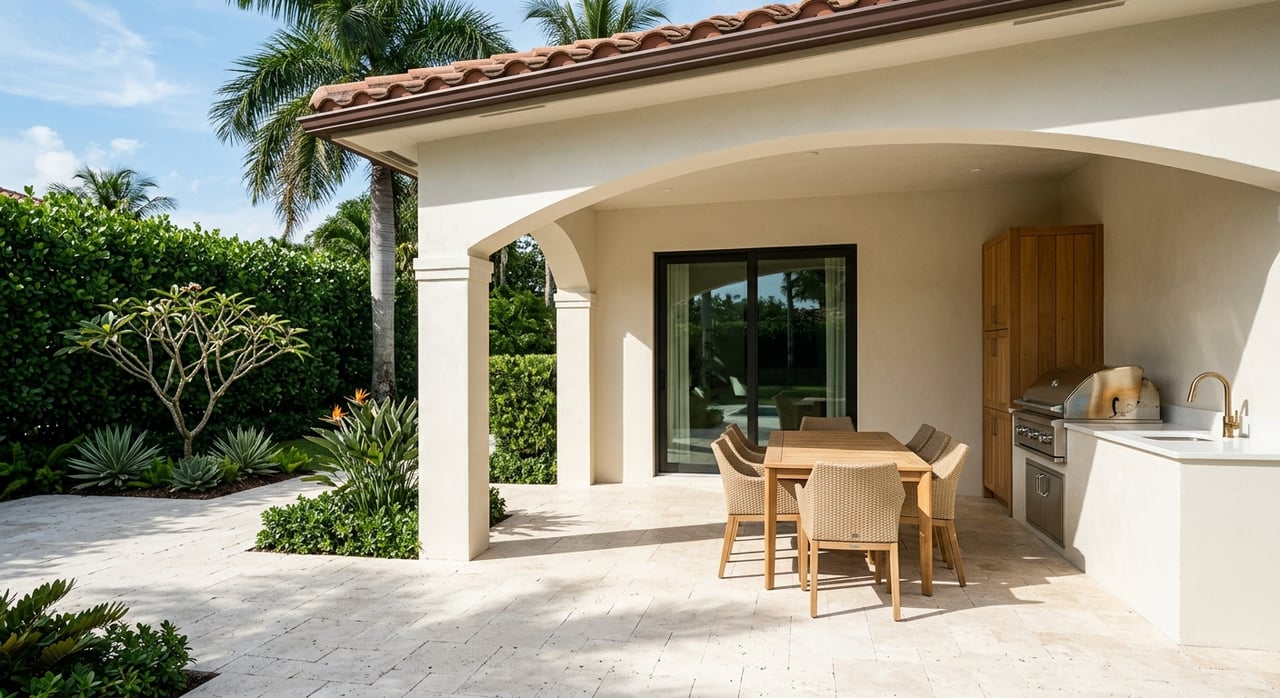
Wondering what it really takes to get your Coconut Grove home ready to list? In a neighborhood known for its lush streets, bayside setting, and strong indoor-outdoor lifestyle, buyers are not just judging square footage or finishes. They are also paying close attention to curb appeal, outdoor spaces, condition, and how well your home fits the Grove experience. If you want to launch with confidence, a focused prep plan can help you present your home at its best and avoid last-minute surprises. Let’s dive in.
Why prep matters in Coconut Grove
Coconut Grove is one of Miami’s oldest neighborhoods, and its visual identity matters. Official and tourism resources highlight the area’s greenery, boating culture, outdoor dining, and lifestyle appeal, which means buyers often evaluate the exterior and outdoor living areas as carefully as the interior. In this setting, presentation is part of the value.
That matters even more in a premium market. According to MIAMI REALTORS® market data, ZIP code 33133 recorded a 2025 median single-family sale price of $2.335 million, with a 47-day median time from listing to contract. When buyers are shopping at that level, they usually expect a polished, well-documented home.
Start with curb appeal
Your first showing often happens before a buyer steps out of the car. In Coconut Grove, mature trees, tropical landscaping, gates, walkways, and exterior details all shape that first impression. Small issues outside can stand out quickly in a neighborhood where the setting is already part of the draw.
Before listing, walk your property with fresh eyes and look at the basics:
- Roof edges and visible wear
- Paint, trim, and front door condition
- Driveway and walkway appearance
- Exterior lighting
- Gates and fencing
- House numbers and entry hardware
The goal is not to over-improve. It is to make the home feel cared for, clean, and ready.
Be careful with landscaping changes
Landscape cleanup can help, but major last-minute changes can create problems. Miami-Dade requires permits for the removal or relocation of non-exempt trees, and the county notes that the process is typically about 21 days. The county also states that proper pruning generally does not require a permit when it follows ANSI A-300 standards, but excessive pruning or canopy damage can lead to violations. You can review the county’s tree permit guidance before making changes.
In practical terms, that means light grooming usually makes more sense than aggressive landscape work right before photos or showings. Clean up fallen debris, trim selectively, refresh planting beds, and make pathways feel open and inviting. If you are considering major changes, it is smart to verify the rules first.
Prioritize outdoor living areas
In Coconut Grove, patios, terraces, pool decks, garden seating areas, and summer kitchens are not extras. They are part of the everyday lifestyle buyers expect to see. Visit Miami’s Coconut Grove overview emphasizes the area’s parks, bayfront atmosphere, palms, live oaks, and outdoor dining culture, so your exterior spaces should feel usable and intentional.
A few simple updates can make a big difference:
- Remove extra furniture and stored items
- Create clear seating or dining zones
- Pressure-clean decks and hard surfaces if needed
- Replace worn outdoor cushions or accessories
- Make sure lighting works for twilight photography
When buyers can instantly picture themselves enjoying the space, your marketing becomes more effective.
Check rules before exterior projects
If your home is in an area covered by one of the City of Miami’s Neighborhood Conservation Districts, exterior work may be subject to added standards. The city notes that much of Coconut Grove falls within Neighborhood Conservation Districts 2 and 3, which can affect visible changes and other site improvements. You can review the city’s Neighborhood Conservation District information before starting work.
If your list date is close, cosmetic fixes are often the safer move. Freshening paint, cleaning surfaces, updating staging, and handling minor repairs usually carry less risk than starting major hardscape, fencing, roof deck, or landscape projects without confirming approvals.
Refresh the interior
Inside the home, the most effective improvements are often the simplest. In a premium market, buyers want a home that feels bright, clean, and consistent with the asking price. That does not always mean a full renovation.
Focus on updates that help your home show well in person and in photos:
- Fresh paint in light, neutral tones
- Decluttering and depersonalizing
- Updated or balanced lighting
- Repaired caulk and grout
- Clean flooring and baseboards
- Neutral, simple window treatments
These steps can help buyers focus on the space itself instead of a long mental to-do list.
Address climate and condition issues early
Florida buyers often pay close attention to roof condition, openings, moisture, and storm readiness. The My Safe Florida Home program notes that eligible homeowners may receive free hurricane-readiness inspections and highlights wind-mitigation features such as roofing materials, stronger doors, shutters, and wall-to-roof attachments.
That does not mean you need to complete every possible upgrade before listing. It does mean roof condition, windows, doors, humidity concerns, and signs of deferred maintenance deserve attention before photos and showings begin. For older homes especially, buyers may be watching for past leaks, moisture issues, odors, or uneven cooling.
Show maintenance, not just updates
In Coconut Grove, many buyers appreciate a home that has been carefully maintained, even if every finish is not brand new. A tidy, functional, well-cared-for property often creates more confidence than a home with cosmetic updates but unanswered condition questions.
If you have service records, repair receipts, warranties, or documentation for major systems, gather them early. Clear records can help support your pricing, reduce uncertainty, and make the home feel more trustworthy during the sale process.
Gather documents before listing
One of the best ways to reduce stress is to organize your paperwork before your home goes live. Miami-Dade provides tools for permit history, open permits, and code compliance searches, and those records can be useful well before a buyer starts due diligence. The county’s permit information resources and buyer and seller tools are a good place to start.
Your pre-listing file should ideally include:
- Survey
- Title or legal description
- Permit history
- Warranty paperwork
- Roof and HVAC ages
- Insurance declarations and claim history
- HOA or condo documents, if applicable
- Receipts for major repairs or improvements
If there were older additions, garage conversions, prior tree removals, or other alterations, it is better to verify them now than to discover issues during escrow.
Confirm flood and code status
For a bay-adjacent neighborhood like Coconut Grove, flood-zone status deserves early attention. Miami-Dade states that a flood-zone disclosure is required in contracts for improved real estate located in Special Flood Hazard or Coastal High Hazard areas. The county also makes clear that open-permit and code-compliance searches are part of local due diligence, which is why it helps to check these items before listing.
This step can save time later. If there is an open permit, code issue, or property detail that needs clarification, you are usually better off addressing it before photography, marketing, and contract negotiations begin.
Market the Grove lifestyle
A Coconut Grove listing should sell more than the structure. It should also highlight the setting and lifestyle that make the neighborhood so appealing. Visit Miami’s neighborhood guide points to marinas, parks, outdoor dining, CocoWalk, Vizcaya, The Barnacle, and the Coconut Grove Arts Festival as part of the area’s identity.
That is why marketing assets matter here. Exterior photography, drone imagery, and twilight shots can help show the tree canopy, patios, terraces, and indoor-outdoor flow that buyers often expect in the Grove. Strong visuals help your home stand out and connect with both local and out-of-market buyers.
Launch with a plan
The broader market still rewards a well-prepared debut. MIAMI REALTORS® reported year-over-year growth in Miami-Dade single-family transactions in January 2026, along with a 21% increase in $1 million-and-up home sales. In that kind of environment, thoughtful preparation can influence how quickly and smoothly your sale comes together.
If you are getting ready to list in Coconut Grove, the smartest approach is usually a mix of presentation, documentation, and location-specific strategy. When you align the home’s condition, visuals, and paperwork before launch, you give yourself a stronger path to a cleaner sale. If you want expert guidance on preparing, pricing, and marketing your Coconut Grove home, connect with Pam Mayers for a personalized consultation.
FAQs
What should you fix before listing a Coconut Grove home?
- Focus first on visible maintenance items, fresh paint, lighting, flooring cleanliness, repaired caulk or grout, and outdoor areas that affect first impressions.
How important is landscaping when selling a Coconut Grove home?
- Landscaping is very important because Coconut Grove buyers often value the neighborhood’s lush setting, tree canopy, and outdoor lifestyle as part of the property experience.
Do you need permits for tree work at a Coconut Grove property?
- Miami-Dade says non-exempt tree removal or relocation requires a permit, while proper pruning generally does not when it follows ANSI A-300 standards.
Should you check permits before listing a home in Coconut Grove?
- Yes. Reviewing permit history, open permits, and code compliance early can help you avoid delays and surprises once a buyer begins due diligence.
Why do outdoor spaces matter so much in Coconut Grove home sales?
- Coconut Grove’s identity is closely tied to bayside living, outdoor dining, and garden-focused spaces, so patios, terraces, pool decks, and seating areas should be presented as true living space.
What documents should you gather before listing a Coconut Grove home?
- A strong pre-listing file can include your survey, title or legal description, permit history, warranties, roof and HVAC ages, insurance documents, HOA materials if relevant, and repair receipts.
