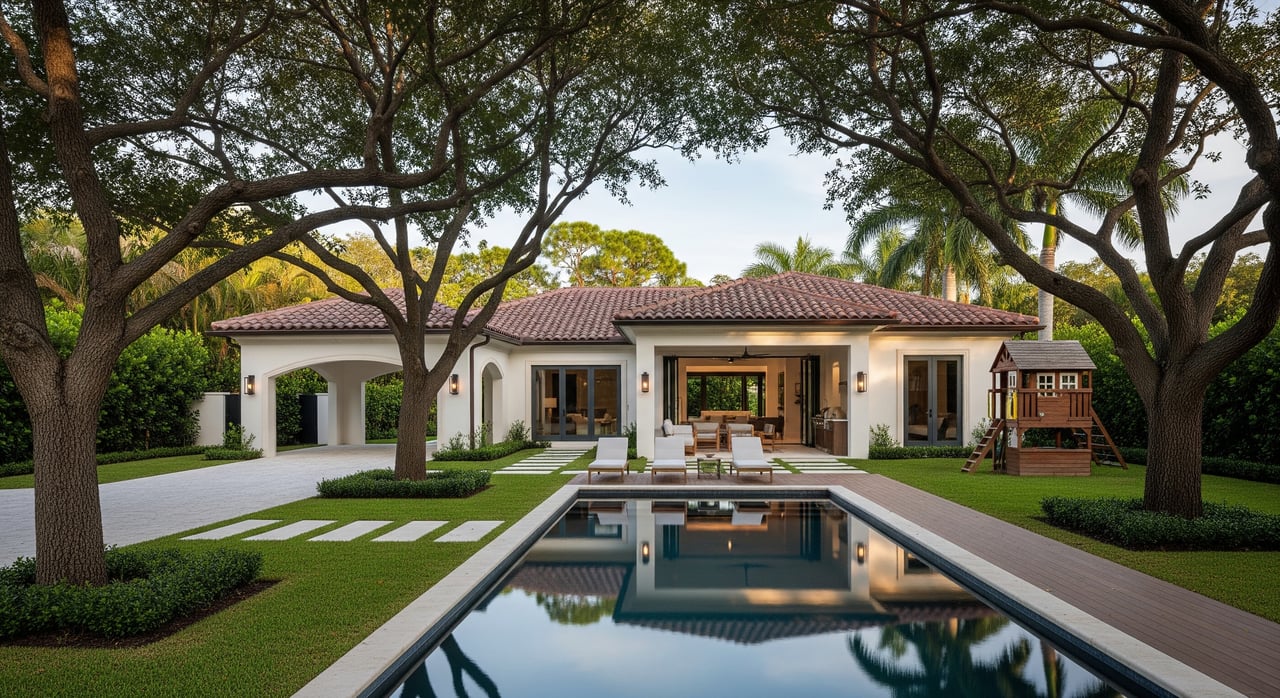
Craving more room for kids, pets, and weekend pool time? If you’re moving up from a condo or a smaller lot in Miami, Pinecrest often lands on your shortlist. This guide gives you a clear, practical look at daily life, the homes you’ll find, real costs to plan for, and how Pinecrest stacks up to South Miami and Palmetto Bay. Let’s dive in.
Pinecrest at a glance
Pinecrest is a suburban village in southern Miami-Dade known for tree-shaded streets, low-density living, and large single-family lots. You’ll see a calm, residential feel with an emphasis on parks and family amenities rather than high-rises. Most homes are owner-occupied, and inventory for the best large-lot parcels can be tight.
Families choose Pinecrest for yard space, private pools, multi-car driveways, and indoor-outdoor living. The housing stock ranges from mid-century ranch homes to newer custom estates. Price is driven by lot size, renovation level, and proximity to the village’s green spaces and amenities.
Homes you will find
Classic ranch and mid-century
Many homes date from the 1950s to 1970s. These single-story properties often sit on larger lots with mature trees and backyard pools. Many have been updated, though you should expect to evaluate mechanical systems and past renovations during due diligence.
Older homes can deliver value if you plan smart upgrades. Budget for electrical panel updates, HVAC replacement, roof age and condition, and pool systems. On some parcels, drainage improvements or foundation checks are sensible given South Dade soil and water conditions.
Newer custom and estates
Pinecrest also offers post-2000 rebuilds and custom estates. These properties may have hurricane-rated features that can help with insurance and peace of mind. You’ll find spacious layouts, modern kitchens, covered patios, and sport courts or play spaces that work well for active households.
With larger footprints, confirm lot coverage, setbacks, and any accessory structure rules before planning additions like guest suites or expanded garages.
Renovation realities to check
- Electrical, plumbing, and HVAC age and permits
- Roof type, age, and wind mitigation features
- Pool structure, equipment, and safety barriers
- Drainage solutions, irrigation, and grading
- Permits for additions, garages, or outbuildings
- Tree health near roofs, driveways, and pools
Daily living and amenities
Parks and play
Pinecrest Gardens is the signature community destination, with botanical paths, family events, and playgrounds that draw neighbors year-round. Beyond that, village parks offer fields, courts, and recreation programs. On weekends, many families head to nearby attractions like the Deering Estate, Zoo Miami, and other regional parks.
Shopping and errands
Daily needs cluster along US-1 and nearby commercial corridors. You’ll find neighborhood cafes, services, and small shopping centers for quick stops. For bigger errands and mall trips, Dadeland Mall and retail districts in Kendall and South Miami are a short drive.
Getting around
Pinecrest is primarily car-dependent. You can walk to parks and localized retail in certain pockets, but most errands require driving. Bus routes serve the area, and the nearest Metrorail stations are generally in the Dadeland area, a short drive for most residents. Commute times to Downtown, Coral Gables, and Dadeland vary by time of day, so check real-time maps for your schedule.
Healthcare and services
You’ll find pediatricians, family medicine practices, urgent care, and specialty providers in and around Pinecrest, with major hospital systems a straightforward drive away. The village has its own Police Department and municipal services, which many families value for local responsiveness.
Costs, taxes, and insurance
Purchase price and ongoing expenses
Expect higher purchase prices than many nearby neighborhoods for similar square footage because Pinecrest prioritizes larger lots and single-family living. Plan for yard, pool, and tree maintenance to be part of your monthly budget, especially on estate-scale parcels.
Property taxes and homestead
Property taxes follow Miami-Dade County millage rates. If the home is your primary residence, Florida’s homestead exemption and the Save Our Homes cap can help reduce the tax burden. Verify eligibility, current millage, and projected tax bills with county resources before you buy.
Wind and flood insurance
In South Florida, windstorm and flood coverage are important planning items. Flood insurance requirements depend on FEMA flood zone status for the property. Wind premiums are influenced by the home’s age and mitigation features such as hurricane-rated roofs, shutters, and impact glass. Get quotes early and compare carriers to understand true monthly costs.
Drainage and site conditions
Older homes and large lots may need drainage upgrades or backflow prevention, especially if you plan a pool or addition. An engineer or experienced contractor can advise on solutions that protect your home and landscaping during heavy rains.
Zoning, trees, and permits
Lot coverage and additions
Pinecrest’s zoning rules and the county code govern setbacks, maximum lot coverage, and where you can place accessory structures like guesthouses or detached garages. If you’re dreaming of a major addition or a full rebuild, review village code and permitting timelines early in the process.
Tree protection
Pinecrest values its mature canopy. There may be regulations for removing or altering significant trees. Factor this into pool placement, driveway changes, and any utility trenching plans.
Building standards
Florida’s building code sets wind and hurricane standards. Newer construction usually meets stricter benchmarks, which can improve resiliency and may help with insurance. If you are renovating, confirm permitting and inspections to keep projects compliant and insurable.
Pinecrest vs nearby options
Choosing between Pinecrest, South Miami, and Palmetto Bay often comes down to the tradeoffs you value most.
- Pinecrest: Larger lots, an estate-like feel, and a strong parks focus with Pinecrest Gardens and village amenities. Tradeoff is a more car-dependent lifestyle and typically higher price per lot.
- South Miami: A more walkable downtown along Sunset Drive with dining and shopping close to Metrorail. Tradeoff is generally smaller lots and higher density.
- Palmetto Bay: A similar suburban vibe with strong parks and access to bayfront recreation around the Deering Estate. Tradeoff can include greater coastal flood exposure in certain east-side pockets and lot character that varies by subdivision.
If yard space, a private pool, and quiet streets are your top priorities, Pinecrest is often the best fit. If you value transit and walkable dining, look closely at South Miami. If waterfront access is central, explore Palmetto Bay.
Quick due diligence checklist
- Verify school boundaries for your exact address through the district before you tour.
- Confirm flood zone status on FEMA resources and review elevation details.
- Pull parcel records for exact lot size, setbacks, and any easements.
- Ask for permits and receipts on roof, HVAC, electrical, plumbing, and pool work.
- Get insurance quotes for wind and flood early in your search.
- Check whether the property is on municipal sewer or septic.
- Review HOA status and any assessments, even if the area is mostly non-HOA.
- Test commute times to your regular destinations at peak hours.
Is Pinecrest a fit for your family
If you picture kids in the backyard, weekend swims, and a quiet street where you can spread out, Pinecrest delivers that day-to-day lifestyle. You trade some walkability for space, shade, and a village setting centered on parks and single-family homes. With smart due diligence on schools, flood, zoning, and insurance, you can buy with confidence and enjoy the outdoor living that makes Pinecrest special.
Ready to explore homes and make a plan that fits your life and budget? Connect with Pam Mayers for local guidance and a personalized path forward. Let’s Connect — Schedule a Consultation.
FAQs
What types of homes are common in Pinecrest
- Mostly single-family houses ranging from mid-century ranches to newer custom estates, often on large lots with private pools and mature trees.
How car-dependent is Pinecrest for daily life
- Pinecrest is primarily car-dependent, with bus routes available and Metrorail stations typically a short drive away in the Dadeland area.
How do property taxes work for primary residents
- Taxes follow county millage, and primary residents may benefit from Florida’s homestead exemption and the Save Our Homes cap, subject to eligibility.
Do most homes need flood or wind insurance
- Wind coverage is common across South Florida, while flood requirements depend on the specific FEMA flood zone for the property; get quotes early.
What should I know about schools and boundaries in Pinecrest
- Many families prioritize school zones; always verify the exact public school assignments for your address with the district and review official reports.
How does Pinecrest compare to South Miami and Palmetto Bay
- Pinecrest offers larger lots and a parks-forward village feel, South Miami offers more walkability and transit, and Palmetto Bay provides bay access with varied flood exposure.
