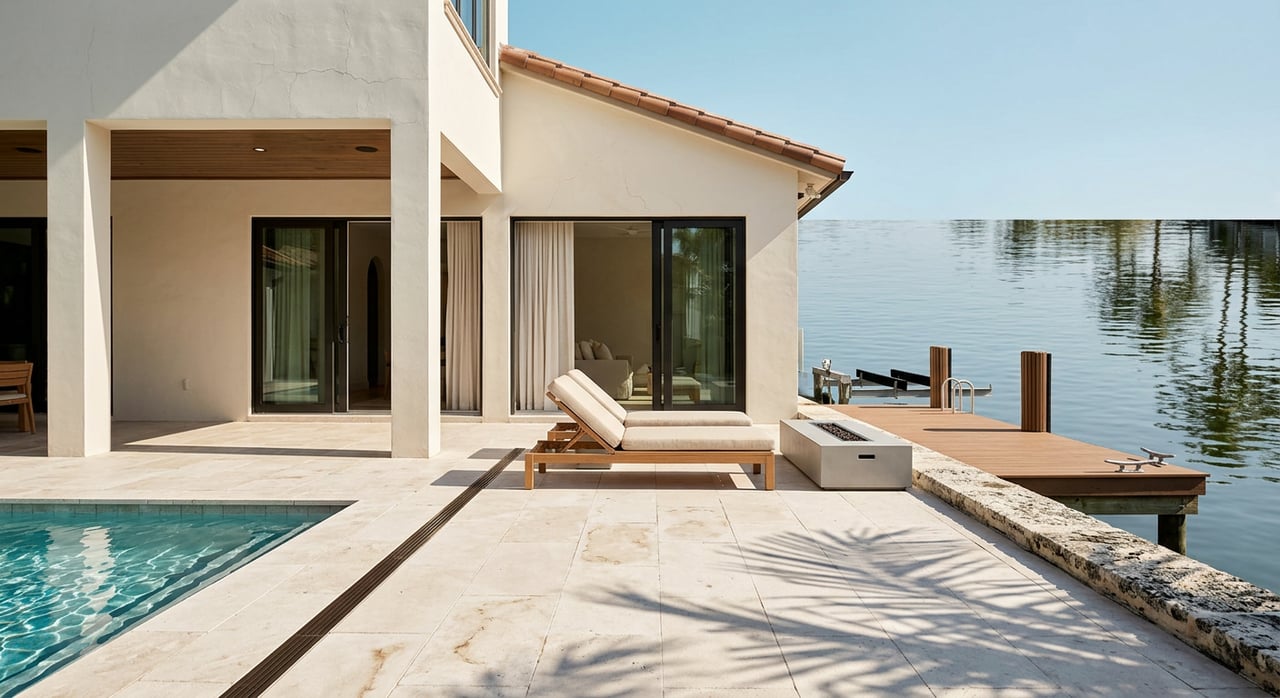
Imagine stepping from your living room onto a private dock, coffee in hand, as the sun lifts over Biscayne Bay. If you are considering Coral Gables for its waterfront lifestyle, you are not alone. The market here is shaped by rare water access, tight-knit gated communities, and details that matter for boats, seawalls, and insurance. This guide breaks down the three premier enclaves, what sets them apart, and the due diligence that helps you buy or sell with confidence. Let’s dive in.
Why Coral Gables waterfront stands out
Coral Gables is a mature, planned city known as The City Beautiful, with Mediterranean-inspired architecture and strong planning oversight that protects neighborhood character. You feel that in the tree canopy, the orderly streets, and the consistent quality of residential enclaves. The result is a micro-market where small differences in water access and governance drive big pricing and lifestyle outcomes. Learn more about the city’s planning identity on the City of Coral Gables site for helpful context on how neighborhoods take shape.
At the luxury level, demand is driven by limited large lots on the water, easy access to downtown Miami and Coconut Grove, and proximity to major private schools and the University of Miami. National coverage has also ranked Gables Estates among the priciest neighborhoods in the country, underscoring how scarce prime waterfront parcels are here.
Cocoplum: yacht lifestyle with amenities
Cocoplum offers estate lots and a mix of Mediterranean, transitional, and modern homes. Many properties are renovated or newly built, and lot sizes often range from about a quarter-acre into larger estate scales. Inside or adjacent to Cocoplum, Tahiti Beach is frequently described as a more private, extra-exclusive sub-enclave.
Boaters choose Cocoplum for its in-community marina and many homes with private docks. Canals are designed for quick runs to the Bay, with many routes marketed as no-bridge or immediate access. Slip and dock sizes can vary by parcel and marina, so confirm vessel size limits in writing during due diligence.
Cocoplum operates as a gated HOA with 24/7 manned security, tennis, clubhouse, and fitness amenities reported across neighborhood guides. Application and transfer steps, along with fees, can differ by phase and by Tahiti Beach. You should verify exact membership rules, transfer costs, and any special assessments with the HOA management company before you make offers.
Gables by the Sea: canal living, quick bay runs
Gables by the Sea is an established gated community of canalfront and interior homes with a park-like feel. Architecture spans mid-century to contemporary renovations, with streetscapes that read coastal and relaxed.
A key draw for many buyers is boating. Many canalfront homes sit on deep-water canals with direct access to Biscayne Bay. Several routes are marketed as having no fixed bridges to the Bay, which is an important detail if you own a larger vessel.
Security is typically described as gated with patrols, and the area includes community park access. The community has historically operated through a property owners association. Some parts of the area have been described in local write-ups as adjacent to or overlapping nearby municipal boundaries, so confirm which city services apply to the specific parcel you are considering.
Gables Estates: rare estate lots
Gables Estates is the ultra-scarce district of large, sea-walled waterfront parcels, often spanning half an acre to more than an acre. National reporting highlights Gables Estates for its extreme rarity and top-of-market values.
Most properties have full-size private docks, with many able to accommodate yachts in the 70 to 100 foot range and beyond, depending on the lot and canal. Dock length, dredging allowances, and turning basins are major value drivers here, so documented specs and permits are essential.
Gables Estates is known for elevated privacy, security, and a formal club process for buyers in parts of the community. Reports describe a thorough application and approval step and premium security that residents fund. Because fees and policies can evolve, confirm the current membership rules and costs directly with the association.
What to compare across enclaves
Boating specs to verify
For serious boaters, the water matters as much as the house. Confirm linear feet of waterfrontage, depth at mean low water, permitted dock footprint, and whether dredging has been approved in the past. Ask about bridges on your route, or whether there are no bridges between your dock and Biscayne Bay. Documented canal depth and turning room can change what vessel you can safely berth.
Security and access control
All three enclaves are gated, and several provide 24/7 manned security. Gables Estates is often cited as having heightened private security and strict access control. Consider security both as a lifestyle amenity and as a line item in your annual budget.
HOA, club, and fees
Cocoplum and Gables Estates operate with association governance, recorded covenants, and in some cases club-style membership and approvals. Neighborhood sources report that application and transfer fees vary by enclave and even by sub-area like Tahiti Beach. Florida’s HOA and condominium statutes set baseline rights for records and disclosures. Always request the full governing documents, recent budgets, and minutes so you understand design rules, dock regulations, rental restrictions, and any planned capital projects.
Seawalls, docks, and permits
Waterfront value depends on what you can actually do at the waterline. In Miami-Dade, many seawall, dock, or dredging projects require environmental permits. These are often processed through Class I permits and may involve county board review. Pull the county permit history for your parcel and confirm whether work was completed as approved.
Plan for lifecycle costs at the shoreline. Local professional summaries commonly quote order-of-magnitude seawall replacement costs around 1,000 to 1,500 dollars per linear foot, depending on site conditions. Because costs vary widely by access, soil, and design, get a marine engineer’s inspection and at least two contractor bids before you finalize budgets.
Flood, insurance, and long-term resilience
Sea level rise and flood risk are part of any long-horizon plan on the coast. Use NOAA’s Sea Level Rise Viewer to understand scenarios for Southeast Florida and to guide long-term improvements like elevating equipment and hardening the envelope. In the near term, confirm the property’s FEMA flood zone and get real quotes under FEMA’s Risk Rating 2.0 and from private carriers. Flood zone lookups and insurance education resources are available through FEMA’s FloodSmart site.
Florida’s property insurance market has seen changes in rates and underwriting. High-value coastal homes often require both windstorm and flood coverage, sometimes through different carriers. Review deductibles, exclusions, and any hurricane-related surcharges in detail. For market context and updates, check public materials from Citizens Property Insurance.
Lenders will require flood insurance if the property sits in a Special Flood Hazard Area and your loan is federally backed. Renovations can trigger substantial improvement rules, so factor elevation certificates, finished-floor heights, and mechanical locations into both financing and resale planning.
Buyer due diligence checklist
- Request the full HOA or club package: CC&Rs, bylaws, architectural guidelines, 12 to 24 months of meeting minutes, budget and reserves, insurance declarations, rules on docks and boats, and any buyer approval steps.
- Confirm recorded easements, riparian rights, and the exact location of the waterline or bulkhead. Pull prior permits from Miami-Dade environmental records and cross-check completion.
- Order a marine engineering inspection, including diver review of seawall and pilings, measured depth at mean low water, and written guidance on maximum vessel length overall.
- Run a flood determination and get quotes from both NFIP and private carriers. If available, obtain an elevation certificate to improve pricing accuracy.
- Verify HOA financial strength, special assessment history, and any planned projects like dredging, gate upgrades, or seawall repairs.
- Document all membership or transfer steps and non-refundable fees so you can plan timing and cash flow.
Seller prep for a smooth sale
- Build a clean package before launch: governing documents, recent minutes, budget, and a one-page summary of dock specs, canal depth, and seawall age or permits.
- Commission a seawall and dock condition report and complete practical repairs that could impact financing, insurance, or buyer confidence.
- Share clear insurance and flood information or connect buyers with experienced coastal insurance providers who can quote promptly.
Which enclave fits your goals
- Choose Cocoplum if you want a yacht-friendly community feel with a marina, amenities, and a range of estate homes, including the added privacy of Tahiti Beach in select cases.
- Choose Gables by the Sea if your priority is relaxed canal living with quick bay access and routes that are often described as having no fixed bridges.
- Choose Gables Estates if you want ultra-rare estate parcels, large docks, and elevated privacy with formalized membership controls.
If you are weighing two or three options, start with your vessel specs, desired security level, and any architectural goals. Then layer in HOA rules, transfer steps, and long-term insurance costs. This sequence keeps lifestyle and ownership math aligned from day one.
Ready to explore your fit
You deserve clear guidance, discreet representation, and a plan tailored to your lifestyle and your boat. If you want a private, data-backed look at Cocoplum, Gables by the Sea, or Gables Estates, let’s talk through your priorities and shortlist opportunities that match. Connect with Pam Mayers for a confidential consultation.
FAQs
What makes Gables Estates different from other Coral Gables waterfront neighborhoods?
- Gables Estates offers ultra-scarce, large waterfront lots with full-size private docks, heightened security, and a formal club approval process that contributes to top-of-market values reported in national coverage.
How does flood insurance work for Coral Gables waterfront homes?
- If a home is in a FEMA Special Flood Hazard Area and you use a federally backed loan, flood insurance is required; get quotes under FEMA’s Risk Rating 2.0 and from private carriers, and review deductibles and exclusions carefully.
What should I know about HOA or club approval in Cocoplum and Gables Estates?
- Both operate with association governance and reported buyer approval steps; application and transfer fees vary by phase or sub-enclave, so request the full governing documents and written fee schedules from the management company.
How do seawall condition and canal depth affect a home’s value and financing?
- Seawall age, structural integrity, and verified canal depth at mean low water influence vessel size, insurability, and lender comfort; a marine engineer’s report and permit history help protect value and financing.
Are there fixed bridges on routes from Gables by the Sea to Biscayne Bay?
- Many routes from Gables by the Sea are marketed as having no fixed bridges to the Bay, which is a key advantage for larger vessels; still, confirm bridge clearance and exact route details for the specific lot.
