If you own a classic Coral Gables home, you are not just selling square footage. You are selling architecture, history, and a property that may come with a very specific paper trail. That can feel like a lot to manage, especially if your home has changed hands, been updated over time, or includes original features buyers will notice right away. The good news is that a little prep can protect your price, reduce surprises, and help you tell a stronger story from day one. Let’s dive in.
Start With Your Home’s Records
Before you think about photos, staging, or pricing, review the home’s permit and code history. In Coral Gables, the city’s Development Services Department handles building permits, inspections, and code enforcement, and both the city and Miami-Dade County provide tools to search permit records and status.
This step matters even more with older homes. Additions, roof work, window replacements, exterior changes, and landscape alterations may have taken place years ago. If permits are still open, never finalized, or missing for visible work, that can become a major buyer concern once your home is on the market.
A clean listing file helps you answer questions early and avoid delays later. If you can gather permit history, finalized permit records, and any related approvals before listing, you will be in a much stronger position during negotiations.
What to gather first
- Permit history from the city and county records
- Records for roof, windows, additions, and exterior work
- Documentation showing permits were finalized, if available
- Notes on any open code or permit items that still need attention
Confirm Whether the Home Is Historic
Coral Gables has deep architectural roots, and the city says more than 1,000 properties are on the Coral Gables Register of Historic Places. Many signature homes date to the 1920s and 1930s, and buyers of classic Gables properties often care as much about architectural integrity as they do about updated finishes.
That is why one of the first questions to answer is whether your home is officially designated, located in a historic district, or considered a contributing property. Historic status can shape what past work required, what future work may need, and how buyers view the home’s long-term value.
If your property is locally designated or in a historic district, Coral Gables uses a Certificate of Appropriateness process for specified work. The city says a COA is required before most exterior work begins and before a building permit can be issued.
Why historic status matters to sellers
Historic designation does not automatically mean extra cost or higher taxes just because of the designation. Coral Gables says no additional fees are charged because a property has historic status, and properties listed in the Register are not subject to increased property taxes solely because of that status.
In some cases, approved improvements may also qualify for local tax incentives. The city states that a 10-year exemption may apply to the ad valorem portion of taxes for improvement value, and that exemption can continue after a sale during the exemption period.
For buyers, that can be helpful context. For you as a seller, it is another reason to gather documentation before your home goes live.
Protect the Home’s Character
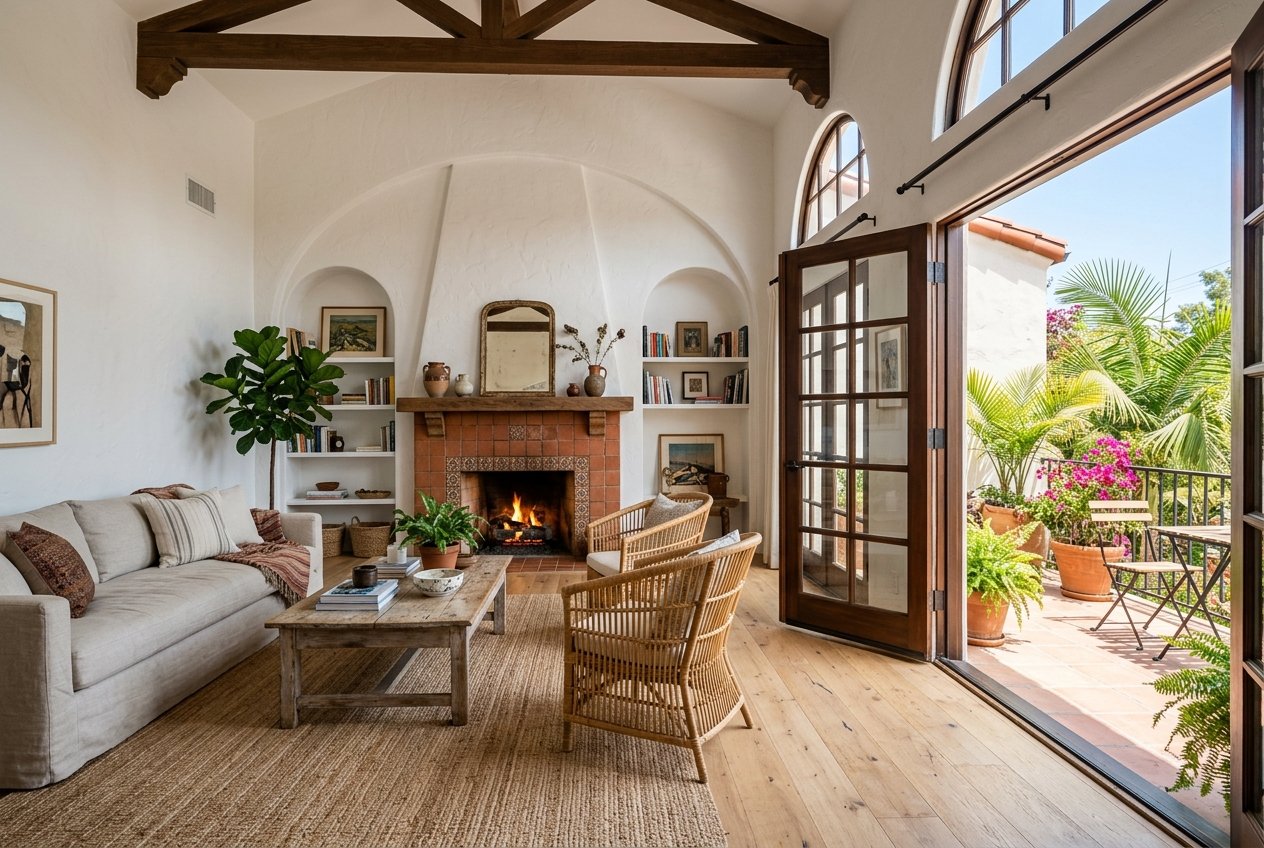
With a classic Coral Gables home, original details are often part of the value story. The city’s preservation guide points to character-defining features that should be retained or reused whenever possible, including moldings, original flooring materials, fireplaces, niches, open-beamed ceilings, window treatments, and staircase details.
That does not mean every home must be untouched. It does mean buyers may respond best when updates feel compatible with the home’s architecture rather than disconnected from it.
The city’s design review standards emphasize compatibility of color, materials, fenestration, and proportion. In simple terms, the closer your improvements feel to the home’s original design language, the easier it is to present the property as a well-cared-for classic rather than a house with mismatched changes.
Selling tip for pre-listing updates
If you are considering touch-ups before listing, think carefully before replacing older details that still contribute to the home’s charm. In many cases, preserving and presenting original elements can do more for your marketing than a quick cosmetic swap.
That is especially true in Coral Gables, where period character is often part of what buyers are looking for. A thoughtful presentation can make your home feel authentic, not just updated.
Check Exterior Approval History
For classic homes, exterior work often gets the most scrutiny. If your property is historic or in a historic district, buyers may want to know whether exterior changes were approved and whether they align with the home’s architectural style.
The city notes that the Board of Architects reviews development applications for consistency with design standards. That review may include compatibility of materials, proportions, and window patterns, which means exterior changes are not just cosmetic from a buyer’s point of view.
If your home has had exterior renovations, gather any approvals you have on hand. That could include certificates, permit sign-offs, or records tied to prior updates. Clear records can reassure buyers that important work was handled properly.
Prepare Flood Documents Early
Flood history is not a side issue in this market. Coral Gables notes that the city is particularly susceptible to flooding from major rain events and storm surge, and that standard hazard insurance does not cover flood damage.
Florida law also requires sellers of residential real property to provide a flood disclosure at or before contract execution. The statutory form itself reminds buyers that homeowners insurance does not cover flood damage.
This is one of the smartest parts of your pre-listing prep because buyers are likely to ask about it. If you wait until contract time to assemble records, you may create stress where a smoother process was possible.
Flood-related items to organize
- Prior flood disclosure forms, if available
- Flood insurance history
- Elevation certificates, if available
- Drainage notes or records related to water management
Having these documents ready does not eliminate buyer questions, but it does help you respond quickly and clearly.
Do Not Overlook Lead Disclosure Rules
If your home was built before 1978, lead-based paint disclosure rules apply. Sellers must disclose known lead-based paint and lead-based paint hazards, provide available records and reports, and give buyers the required EPA pamphlet.
This can feel routine, but it should not be treated casually. Buyers of older homes often expect a more complete documentation package, and lead disclosure is part of that.
If you are planning repairs or touch-ups before selling, be careful about work that disturbs painted surfaces. EPA recommends lead-safe certified contractors for work in pre-1978 housing when painted areas may be disturbed.
Price for Condition, Documentation, and Design
Charming homes do not price themselves. In Coral Gables, presentation and pricing should reflect more than curb appeal or a beautiful living room.
A smart pricing strategy should account for original condition, permitted improvements, unresolved permit issues, and whether later work remains compatible with the home’s style. In a market where period architecture helps drive value, those details can influence how buyers compare your property to others.
That is why classic-home pricing often needs a more layered approach. Two homes with similar size and location may not compete the same way if one has stronger records, more intact character, or approved renovations that support the architectural story.
Market the Home’s Story Clearly
For many Coral Gables classics, the best marketing angle is not just luxury. It is architecture plus documentation plus provenance.
The city’s preservation materials note that buyers have appreciated the special character of designated properties and the stability associated with preservation protections. That means your listing should not hide the home’s age or historic identity. In many cases, those are selling strengths when presented clearly.
A strong listing story may highlight:
- Period architectural details
- Historic designation or contributing status, if applicable
- Approved renovations
- Preserved original elements
- Any active tax-incentive status tied to approved improvements
When buyers understand both the charm and the paperwork, they can make decisions with more confidence. That often leads to better conversations and fewer surprises during due diligence.
Expect Detailed Buyer Questions
Buyers shopping for a classic home in Coral Gables tend to ask specific questions. That is not a bad sign. It usually means they understand the kind of property they are considering.
Common questions often include whether the home is officially historic, whether there are open permits or code issues, whether past updates were permitted or approved, which original details will remain, and what flood-related records exist. If the home was built before 1978, buyers may also ask about lead disclosure paperwork and whether recent repairs used lead-safe practices.
The more of these answers you can prepare before listing, the smoother your sale is likely to feel. Good preparation does not just protect the transaction. It also strengthens buyer trust.
Why Preparation Pays Off
Selling a Coral Gables classic home is different from selling a newer property with a shorter paper trail. Your buyer is often looking at architecture, condition, approvals, and long-term value all at once.
When you organize your records, confirm historic status, preserve character-defining features, and prepare key disclosures early, you put yourself in control of the process. That can help your home stand out for the right reasons and support a stronger result when it is time to go to market.
If you are thinking about selling a classic Coral Gables home and want a thoughtful, well-prepared strategy, Pam Mayers can help you position your property with the local knowledge, marketing guidance, and attention to detail these homes deserve.
FAQs
What should you check before selling a classic Coral Gables home?
- Start with permit history, code status, historic designation, flood-related records, and any documentation for past exterior or structural updates.
Does historic designation affect selling a Coral Gables home?
- Yes. Historic designation can affect approvals for exterior work, shape buyer expectations, and add value when original details and documentation are well presented.
Do Coral Gables buyers ask about open permits?
- Yes. Buyers commonly ask whether permits were pulled, whether work was finalized, and whether any open permit or code issues still exist.
What flood paperwork should you gather before listing in Coral Gables?
- Try to collect flood disclosures, insurance history, elevation certificates if available, and any records related to drainage or prior flood concerns.
What if your Coral Gables home was built before 1978?
- You may need to provide lead-based paint disclosures, share any available reports or records, and give buyers the required EPA pamphlet.
Should you renovate original features before selling a classic Coral Gables home?
- Not always. In many cases, preserved character-defining details such as original flooring, fireplaces, moldings, and staircase details help support the home’s appeal and value story.
